




Restaurant audits are essential for ensuring food safety and maintaining high standards of operation. One critical aspect that often comes under scrutiny during these audits is the proper use and maintenance of walk-in cooler thermometers. Walk-in coolers play a vital role in preserving the quality and safety of perishable goods, making it imperative that their temperatures are accurately monitored.
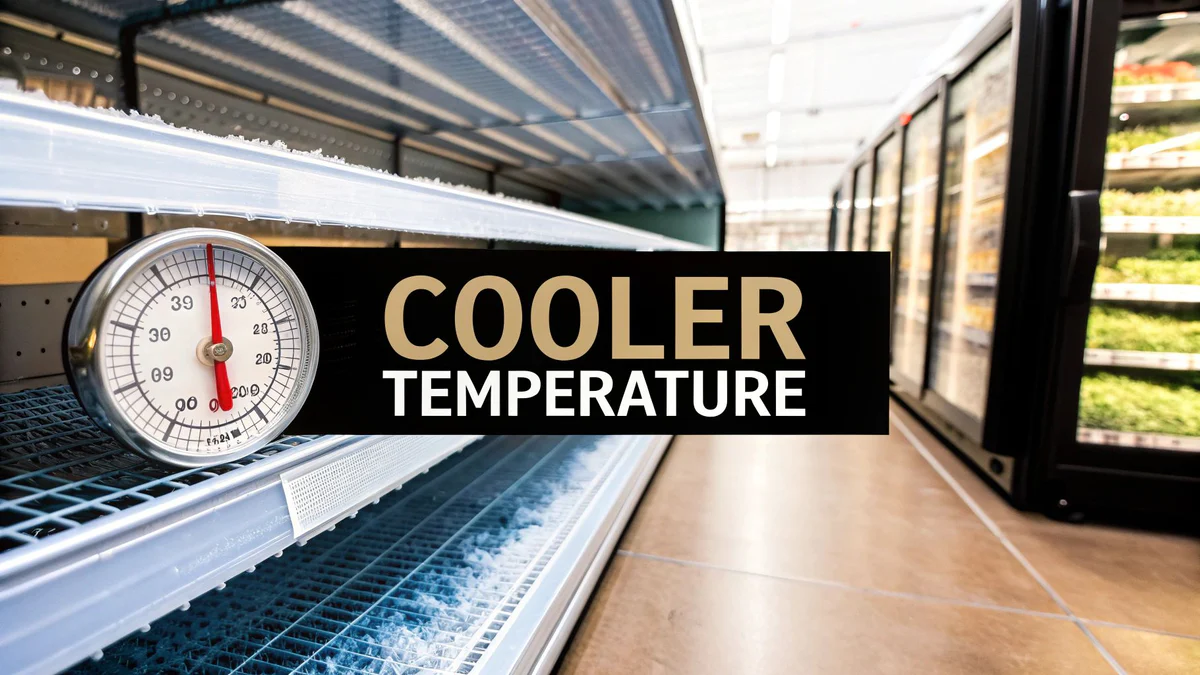
A walk-in cooler thermometer is a simple yet indispensable tool in any restaurant’s arsenal. It ensures that stored food items remain at safe temperatures, thereby preventing spoilage and reducing the risk of foodborne illnesses. Auditors pay special attention to these devices as part of their comprehensive evaluation process because improper temperature control can have severe implications for both health and business operations.
The importance of maintaining an accurate thermometer cannot be overstated. A faulty or improperly calibrated device may provide inaccurate readings, leading to potential hazards such as bacterial growth on improperly stored foods. Therefore, restaurants must ensure that their Walk-in cooler thermometers are regularly checked for accuracy against certified standards and recalibrated when necessary.
During an audit, inspectors typically examine whether the thermometer is functioning correctly by comparing its readings with those from a known reliable source. They also assess whether staff members understand how to interpret these readings accurately and take appropriate actions if deviations occur. Training employees on recognizing signs of malfunction or incorrect temperature settings forms an integral part of this process.
Moreover, auditors look into how frequently temperature checks are conducted within the establishment. Consistent monitoring helps identify trends or anomalies early on, allowing timely corrective measures before any significant issues arise. Restaurants usually implement routine checks multiple times daily as part of their standard operating procedures to maintain compliance with health regulations.
Proper documentation plays a crucial role during audits as well; keeping detailed records demonstrates due diligence in adhering to safety protocols over time. These logs should include date-stamped entries showing regular inspections along with any corrective actions taken when discrepancies were found—offering valuable insights into operational consistency regarding cold storage management practices.